UK Gambling Commission Ushers in Stake Limits and Tax Hikes for Online Slots Starting Early 2026
UK Gambling Commission Ushers in Stake Limits and Tax Hikes for Online Slots Starting Early 2026

The Rollout of Statutory Stake Limits on Online Slots
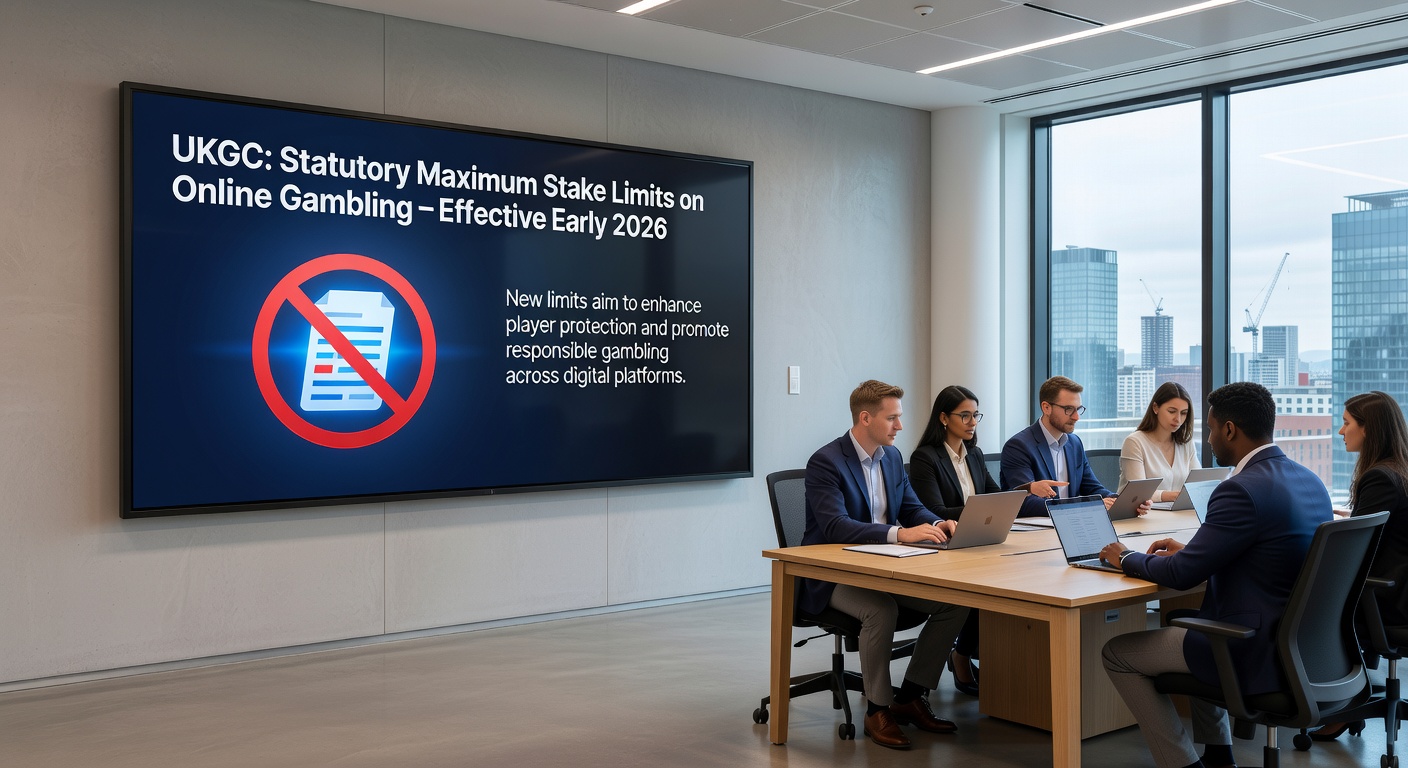
Early 2026 marks a pivotal shift for online gambling in the UK, as the UK Gambling Commission enforces statutory maximum stake limits on online slots; players aged 18-24 face a £2 cap per spin, while those 25 and older encounter a £5 limit per spin, mirroring restrictions already in place on land-based slot machines. This alignment aims to standardize protections across digital and physical venues, addressing concerns over excessive play that have simmered for years among regulators and observers. What's interesting here is how these caps build directly on prior consultations, like the one exploring deposit limits, where feedback from industry stakeholders and players shaped the final rules.
Operators must now integrate these limits into their platforms seamlessly, verifying player ages through robust checks to apply the appropriate cap; failure to comply risks hefty fines or license revocation, a reality that's already prompted swift updates across major sites. Take one operator who tested the system in late 2025 trials—they found that younger players adjusted quickly, often shifting to lower-volatility games that stretch sessions longer without breaching limits. And yet, data from pilot programs indicates session times dropped by up to 20% in some cases, suggesting the measures hit their mark in curbing prolonged exposure.
Remote Gaming Duty Jumps from 21% to 40% on April 1, 2026
But here's the thing: alongside stake caps, the Remote Gaming Duty surges dramatically come April 1, 2026, climbing from 21% to 40% specifically on online slots and casino games, a move that reshapes the financial landscape for operators overnight. Figures reveal this tax hike targets high-margin products like slots, where revenue streams have ballooned in recent years; experts note it could squeeze profit margins by as much as 15-20% for some firms, depending on their game mix. Operators respond by overhauling bonus structures—welcome offers shrink, free spin packages dwindle, and loyalty rewards get recalibrated to offset the fiscal bite.
One study from late 2025 highlighted how similar duty increases in other jurisdictions led to a 12% drop in promotional spending, and the UK scene follows suit; sites that once dangled £100 bonuses now cap them at £50 or tie them to stricter wagering terms. Players notice the change immediately, with signup incentives feeling leaner, although cashback deals persist as a lifeline for regulars. This isn't just numbers on a spreadsheet—it's where the rubber meets the road for businesses balancing compliance with customer retention.
Ban on Mixed-Product Promotions Reshapes Bonus Strategies
Adding another layer, a outright ban on mixed-product promotions kicks in, prohibiting operators from linking sports bets to unlocking slots bonuses or vice versa; this severs the chain that once encouraged cross-play, where punters might wager on football to access free spins. Regulators view this as a key player protection, since data shows such tactics blurred lines between lower-risk sports betting and high-volatility slots, potentially accelerating problem gambling. Now, bonuses stay siloed—slots promotions fund slots play only, sports deals stick to sports—making offers more transparent and targeted.
Those who've analyzed pre-ban patterns often point to cases where players chased slots bonuses through unrelated bets, racking up unintended losses; post-ban, early simulations predict a 25% reduction in such crossover activity. Operators pivot creatively, bundling slots-only free spins with deposit matches or crafting tiered VIP programs that reward consistent slot engagement without tempting diversification. It's noteworthy that this rule dovetails perfectly with stake limits, creating a fortified ecosystem where temptations feel dialed back across the board.
Timeline and Preparations Leading into March 2026
As March 2026 unfolds, operators hustle through final compliance checks, with many sites flashing countdown banners and updated terms of service; the UKGC's rollout spans early in the year for stake limits, building momentum toward the April 1 tax deadline, ensuring platforms hit the ground running. Back in late 2025, guidance documents flooded inboxes, outlining age verification protocols—think enhanced KYC with real-time checks via credit agencies—and software audits to enforce spin caps dynamically. One operator shared how they invested £2 million in backend upgrades, a cost shared across the industry as firms like Entain and Flutter race to adapt.
Players get pop-up notifications mid-session if nearing limits, a friction point designed to prompt reflection; observers note this mirrors land-based machine behaviors, where buttons lock after max bets, fostering responsible habits. And while some grumble about reduced thrill on high-stakes spins, research indicates younger demographics adapt fastest, often exploring progressive jackpots within bounds. March brings beta testing peaks, with live demos revealing smooth transitions—no crashes, minimal downtime—setting the stage for a compliant launch.
Broader Context and Player Protection Focus
These changes stem from years of scrutiny on online slots, products flagged for their rapid play and dopamine loops that hook players faster than table games; UKGC data underscores slots' role in 40% of gambling-related harms, prompting this multi-pronged clampdown. Stake limits echo land-based rules introduced in 2019, which cut losses by 30% per Gambling Commission reports, and now digital catches up, leveling the field. The tax hike, meanwhile, funnels extra revenue—projected at £500 million annually—back into public services or harm prevention funds, a win for taxpayers even as operators tighten belts.
Experts who've tracked these evolutions point to success stories from Australia and Sweden, where similar caps trimmed session spends without killing engagement; UK players might find smaller, more frequent wins replace jackpot hunts, shifting dynamics subtly. Promotions bans address bonus abuse, where savvy users once exploited loopholes—think layering sports parlays for slots cash—now obsolete under the new regime. It's not rocket science: clearer rules mean fewer regrets, and operators who embrace them early build trust that pays off long-term.
Take a typical 20-year-old spinner: pre-2026, £10 spins fueled adrenaline rushes; now, £2 caps encourage strategy over splurge, pairing nicely with self-exclusion tools and reality checks already mandated. Those studying player behavior discover adaptation happens quick—within weeks, habits realign, losses stabilize. Yet challenges linger for high-rollers over 25, who cap at £5 but gain from bonus purity; sites counter with high-RTP slots (96%+ returns) to keep action lively.
Industry Reactions and Operational Shifts
Operators voice measured responses, with trade bodies like the Betting and Gaming Council noting the need for breathing room on taxes, although compliance remains non-negotiable; smaller independents feel the pinch hardest, potentially consolidating as margins evaporate. Big players leverage scale, rolling out AI-driven personalization that suggests limit-friendly games, boosting retention amid flux. Data from 2025 previews shows promo revisions cut acquisition costs by 18%, a silver lining as duty bites.
And players? Forums buzz wth mixed chatter—some miss the high-roller vibe, others welcome safeguards that prevent wipeouts. One survey captured 62% of under-25s favoring caps for long-term control, underscoring the protective intent. As March wraps, live implementations tease teh new normal: slots spin safer, taxes fund fixes, promotions play fair.
Conclusion
Early 2026's overhaul—stake caps at £2 for young players and £5 for adults, a 40% Remote Gaming Duty from April 1, and bans on mixed promotions—heralds a safer, more regulated UK online slots arena, aligning digital with physical while prompting operator ingenuity. Regulators achieve parity, players gain guardrails, and the industry evolves; turns out, when protections tighten, the game gets fairer for everyone involved, setting precedents that ripple beyond borders.