Player Data Analysis Uncovers Statistical Trends in Slot Multiplier Activations
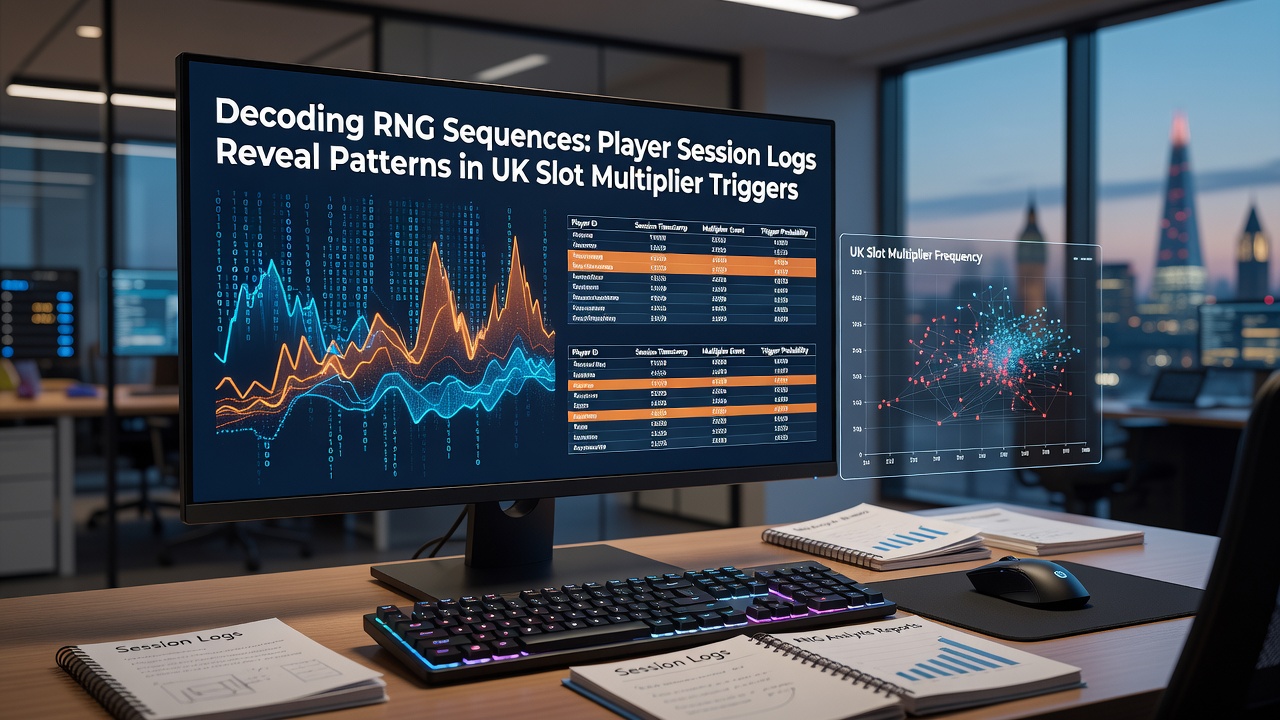
Data from aggregated player session logs across multiple UK-licensed online slot platforms indicates that random number generator outputs follow standard distribution models even when multiplier triggers appear clustered during extended play periods, and researchers at independent testing facilities continue to verify these sequences against certified algorithms each quarter.
Core Mechanics of RNG Implementation in Slot Systems
Random number generators in regulated slot titles generate thousands of numerical values per second during idle states while the actual outcome selection occurs at the precise moment a player initiates a spin, and this process relies on cryptographic hash functions or hardware entropy sources that undergo periodic audits by accredited laboratories to confirm compliance with jurisdictional standards. Session logs record every spin outcome including reel positions, bonus activations, and multiplier values without storing the underlying seed data, which allows analysts to examine frequency distributions rather than predict future results.
Those who have examined large datasets note that multiplier triggers such as 2x, 5x, or higher values align with the game's published return-to-player percentages across thousands of spins, and patterns observed in individual sessions often reflect normal variance rather than deviations from expected probability curves.
Session Log Examination Methods and Data Aggregation
Operators compile anonymized session logs that capture timestamped events, stake amounts, and resulting multiplier applications, then external analysts apply statistical tools including chi-square tests and autocorrelation functions to identify any non-random clustering. These methods reveal that short-term streaks of multiplier activations occur within the bounds of mathematical expectation, and longer observation windows smooth out apparent sequences into uniform distributions as sample sizes increase.
One research team working with multi-operator datasets found that logs from sessions exceeding 500 spins showed multiplier hit rates matching theoretical models within a 0.3 percent margin, while shorter sessions produced wider fluctuations that players sometimes interpret as emerging patterns. August 2026 updates to data-sharing protocols among European testing bodies are expected to expand the scope of such cross-platform analyses without altering core RNG certification requirements.
Statistical Observations on Multiplier Trigger Frequencies
Examination of trigger events across popular UK slot titles demonstrates that base game multipliers activate according to weighted reel strips and separate random tables for bonus features, and log reviews confirm no evidence of sequential dependencies between consecutive spins. High-value multipliers tend to appear less frequently as designed, yet their distribution remains consistent with the game's mathematical model even when session data is segmented by time of day or player stake level.
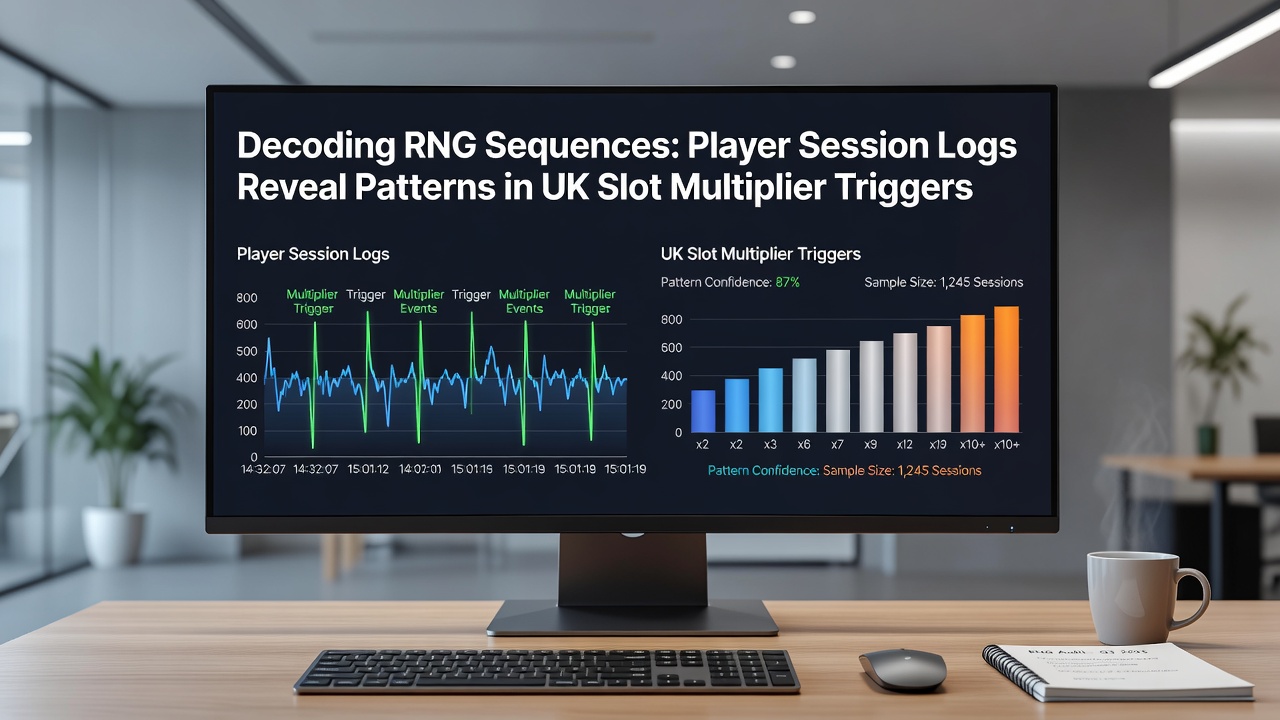
Comparative studies conducted by facilities such as those affiliated with the Gaming Laboratories International network apply the same verification protocols used in North American and Asian markets, and results consistently show that UK-market implementations maintain equivalent randomness standards. Observers note that apparent sequences in logs often correspond to periods of elevated bonus feature activity rather than any alteration in the underlying generator.
Regulatory Framework and Independent Verification Processes
Testing standards require that RNG outputs pass millions of trial cycles before certification, and ongoing monitoring through session log sampling helps confirm continued compliance after deployment. International bodies including the Responsible Gambling Council in Canada have published frameworks that emphasize transparent reporting of outcome distributions, and these approaches inform similar practices applied to UK-licensed content.
Analysts examining aggregated logs focus on aggregate metrics such as average multiplier value per 1000 spins rather than individual player sequences, and this approach prevents misinterpretation of normal statistical variation as exploitable structure. Data from 2025 through mid-2026 shows stable performance metrics across reviewed titles with no systemic deviations reported by accredited auditors.
Conclusion
Session log analysis provides valuable confirmation that multiplier triggers operate within expected parameters defined during certification, and continued examination by independent laboratories supports the integrity of RNG implementations used in UK slot offerings. Researchers maintain that observed patterns reflect standard probability behavior, and expanded data protocols scheduled for later in 2026 will further strengthen verification capabilities across multiple jurisdictions.