Ensuring Fair Outcomes: The Role of RNG Audits in Britain's Digital Gaming Industry
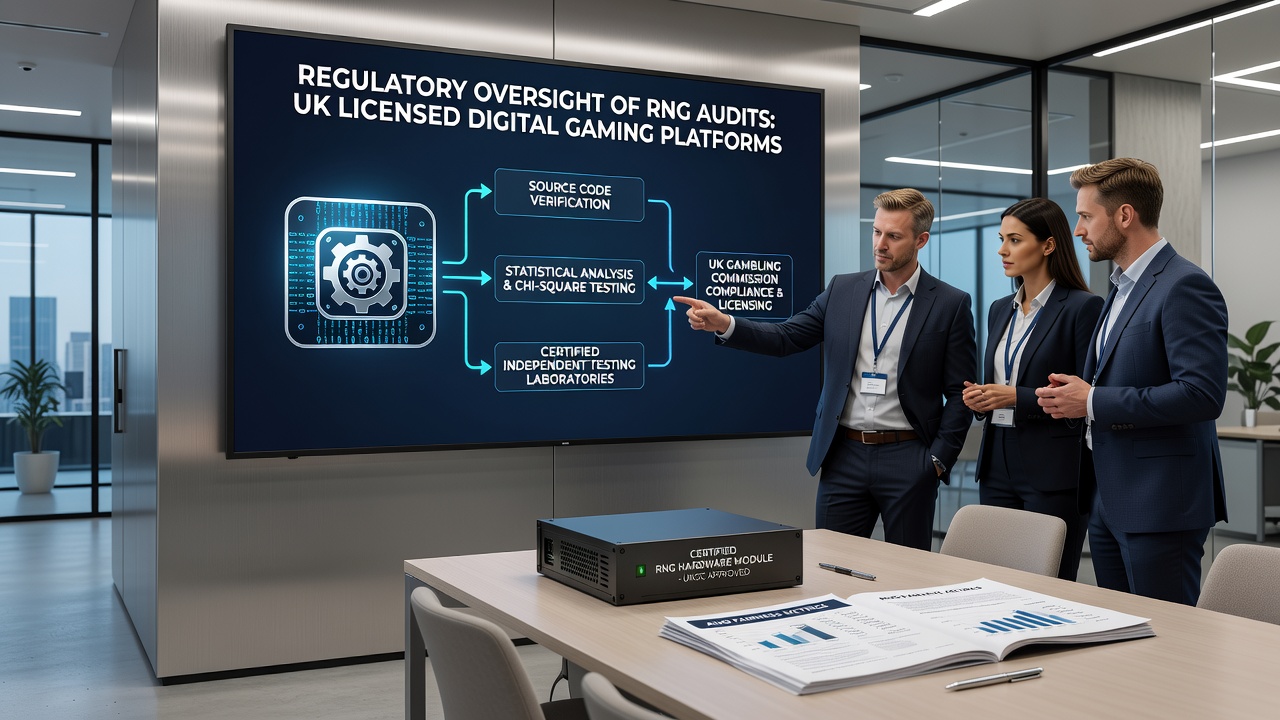
British licensing authorities maintain strict requirements for random number generator testing across all permitted online platforms, and these standards rely on independent laboratories that hold accreditation under frameworks such as ISO/IEC 17025; operators must submit their gaming software for evaluation before launch while subsequent audits occur at regular intervals to confirm continued compliance with fairness criteria.
Testing protocols examine the statistical properties of each generator through millions of simulated outcomes, and laboratories verify that results remain unpredictable and uniformly distributed across the full range of possible values, whereas any deviation triggers immediate remediation steps before the platform can accept further play.
Approved Testing Bodies and Certification Pathways
Regulators accept reports only from laboratories that demonstrate ongoing competence through annual reassessments, and these facilities apply common international methodologies when assessing both land-based terminals and remote servers; British operators therefore select from a shortlist of globally recognized entities that also serve markets in North America and Australia.
Data from one such accredited body indicates that roughly 98 percent of initial submissions require at least one round of code adjustments before certification is granted, while subsequent annual checks reveal far fewer issues once systems stabilize under live conditions.
Frequency and Scope of Ongoing Audits
Annual full-scope reviews remain the baseline expectation, yet platforms that introduce new game titles or update existing RNG algorithms must undergo targeted re-evaluation within thirty days of deployment, and regulators reserve the right to commission unscheduled inspections when player complaints or statistical anomalies appear.
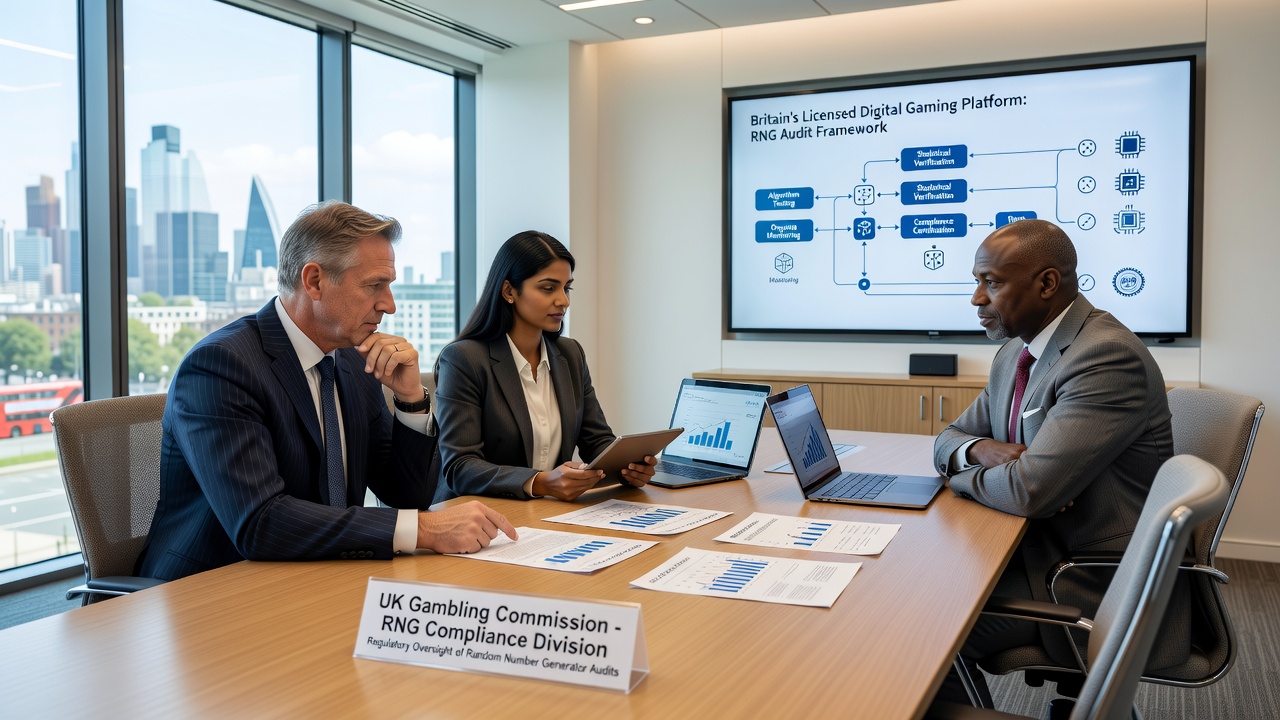
Enhanced protocols scheduled to begin in June 2026 will shorten the maximum interval between comprehensive audits for high-volume sites from twelve months to nine months, and these changes also introduce mandatory live-data sampling that compares real-time outcomes against the certified baseline model.
Integration with Broader Compliance Frameworks
RNG oversight forms one component within wider licensing conditions that address financial reporting, responsible gaming tools, and data security, and authorities coordinate findings across these domains so that a failed RNG test can prompt additional scrutiny of related operational areas. Observers note that such interconnected reviews have become more common since 2024 as regulators seek efficiency gains without reducing coverage.
Industry associations including the New Jersey Division of Gaming Enforcement publish guidance documents that British operators often consult when aligning internal procedures with multiple jurisdictions, and these resources help standardize documentation formats accepted by testing labs worldwide.
Reporting Requirements and Public Transparency
Licensees must retain full audit trails for at least five years and supply summary certificates to the regulator upon request, while players can access simplified fairness statements on each site that reference the most recent certification date and the responsible laboratory. Several platforms now embed QR codes that link directly to redacted executive summaries hosted on independent domains.
Research published by the Australian Gambling Research Centre examined similar transparency measures and found measurable increases in player trust metrics when certification details remain easily accessible, although direct causation remains difficult to isolate from other trust-building initiatives.
Conclusion
Britain's approach to RNG oversight continues to evolve through tighter intervals, expanded data sampling, and cross-jurisdictional alignment, and these developments ensure that licensed digital platforms maintain verifiable standards of randomness while operators gain clearer pathways for compliance. The framework relies on accredited laboratories, documented procedures, and scheduled updates that together support consistent outcomes for participants.